Tummy Tuck Surgery in Hyderabad
Flatten and firm the abdomen by removing loose skin and repairing the muscles that diet and exercise cannot reach.
If you have a fuller chest that will not flatten however hard you train, you are not alone, and there is nothing wrong with wanting it addressed. Gynecomastia, sometimes called man boobs, is a common condition, not a disease, and it affects a large number of men at some point in their lives. When it is caused by glandular tissue rather than fat, exercise and diet cannot fix it, because you cannot train away a gland. Surgery can, reliably and discreetly. At Evoluer it is handled with privacy and without judgement, by a board-certified plastic surgeon, at our Jubilee Hills surgical unit.
It is a condition, not something to be ashamed of
A tummy tuck, medically called abdominoplasty, is a plastic surgery procedure involves the removal of excessive skin and fat from the abdominal wall by tightening the connective tissue (fascia) with sutures. This will give a toned look. The belly button shape and position will also be adjusted if required to give a youthful appearance.
What is a tummy tuck?
A tummy tuck, or abdominoplasty, removes excess skin and fat from the abdominal wall and tightens the underlying muscles with sutures, giving a flatter, firmer profile. Where the navel has been pulled out of position, its shape and placement are refined as well. It is a body-contouring procedure, not a weight-loss one: it corrects skin and muscle that will not respond to diet or training.
Who can get a tummy tuck surgery and when?
A tummy tuck may suit you :
- If you have loose abdominal skin after pregnancy, weight loss or ageing
- If you have a lower belly that will not flatten despite stable weight and exercise
- If you have separated abdominal muscles (diastasis recti), often after pregnancy
- If you are at a stable weight you can maintain, and in good general health
It is usually better to wait if you are planning a pregnancy, still have significant weight to lose, or have a BMI over 30, since results are best on a stable, healthy frame. If you are unsure where you fit, that is what the consultation is for. We would rather tell you honestly that the timing is wrong than book a procedure you are not ready for.
Why diet and exercise do not fix it
Two changes after pregnancy or major weight loss simply do not respond to the gym. The first is loose skin:
- Once skin has been stretched past its elastic limit, it does not shrink back, however much weight you lose.
- The second is diastasis recti, the separation of the abdominal muscles that often follows pregnancy, which is why the stomach can still look rounded or pregnant when you are not.
- No amount of core work closes that gap, because the muscles have parted rather than weakened.
- A tummy tuck is the procedure that addresses both, removing the excess skin and stitching the separated muscle back together.
What most patients are really hoping to regain
Most people who come to us are not chasing perfection or a different body. What they describe is simpler: wanting to feel comfortable again. To wear the clothes they like without thinking about the waistband, to stop holding the stomach in, to have the body match how healthy and energetic they already feel.
A tummy tuck is not about turning back time. Its purpose is to correct the physical changes that pregnancy, weight loss or ageing leave behind, so you feel more like yourself. The best results are measured less in inches and more in comfort, confidence and no longer thinking about the part of your body that has bothered you for years.
Tummy tuck cost in Hyderabad
A tummy tuck cost in India commonly ranges from about Rs 1.2 lakh to Rs 3.5 lakh and above. A mini tummy tuck sits at the lower end; a full abdominoplasty, or one combined with liposuction, moves higher.
What an Evoluer quote includes: surgeon fees, anaesthesia, the surgical suite, your compression garments and your scheduled follow-up visits. You receive a written, itemised estimate after your consultation, so the number you see is the number you plan for. Flexible payment plans are available.
A note on insurance: a tummy tuck is considered a cosmetic procedure and is almost never covered, even when muscle repair is involved. We will be straightforward with you about this at consultation.
Your Tummy Tuck Surgery journey and the protocol behind it
Your surgery follows a clear path: a private consultation and assessment, a customised plan with a written estimate, the procedure, then structured follow-up care. Our approach is candidacy-first: we recommend the plan that matches your anatomy and your goals, never the largest one. Honest conversations about recovery and scars, real before and after discussion, and follow-ups rather than upsells are what we hold ourselves to.
Every tummy tuck at Evoluer is led by a board-certified plastic surgeon. It is carried out at our Jubilee Hills surgical unit and we follow international safety protocols, with overnight monitoring for observation. Your privacy is protected at every step.
Preparation list
The tummy tuck procedure, step by step
Because a mommy makeover combines more than one procedure, it is planned as a single operation and carried out in one sitting wherever that is safe for you. Here is how the day works.
Preparation.
You complete a fitness assessment and routine pre-operative tests, which may include blood tests, an ECG and a chest X-ray for surgery under general anaesthesia. You will be asked to stop smoking beforehand, as it affects healing, and to keep your weight stable in the weeks before surgery. On the day, your surgeon confirms the plan and marks the area.
Anaesthesia.
The procedure is performed under general anaesthesia, administered and monitored throughout by a consultant anaesthetist, so you are asleep and comfortable for the whole operation.
The surgery.
An incision is made low across the abdomen, along the bikini line between the hip bones, with a small incision around the navel where needed. Excess skin and fat are removed, the separated muscles are repaired with sutures, and the navel is repositioned for a natural look. A tummy tuck usually takes around 2 to 4 hours, longer if liposuction is combined.
After surgery.
You are fitted with a supportive compression garment and moved to recovery. Most patients stay one night for observation and are discharged the next day with written aftercare and a follow-up schedule in place.
Recovery, week by week
Most patients take a few days to a week off, wear a compression garment for several weeks, and return to light routine within days. Swelling settles over weeks, with the refined contour emerging by around two to three months.
WEEK 1 TO 2
Soreness, tightness and swelling. You walk slightly bent at first, and most people arrange help at home for the first 5 to 10 days. Pain is controlled with medication and rest.
WEEK 2 TO 4
You stand more upright as swelling settles, light daily activity returns, and many people are back to desk work by three to four weeks. A compression garment is worn through this period.
WEEK 4 TO 8
Energy returns and gentle exercise is reintroduced on your surgeon's guidance. Heavy lifting and core workouts come later.
MONTHS 2 TO 4
Residual swelling continues to settle, the final contour emerges, and the scar begins to mature and fade with a scar-care plan.
How quickly you recover depends on the extent of surgery and your own healing. We give you written aftercare, scheduled reviews and a direct line for questions throughout.
Our expert panel
Évoluer’s surgical care is delivered by a panel of board-certified plastic and aesthetic surgeons. Every tummy tuck is planned and performed within that team, to the same protocol and standard, whoever you meet in consultation.
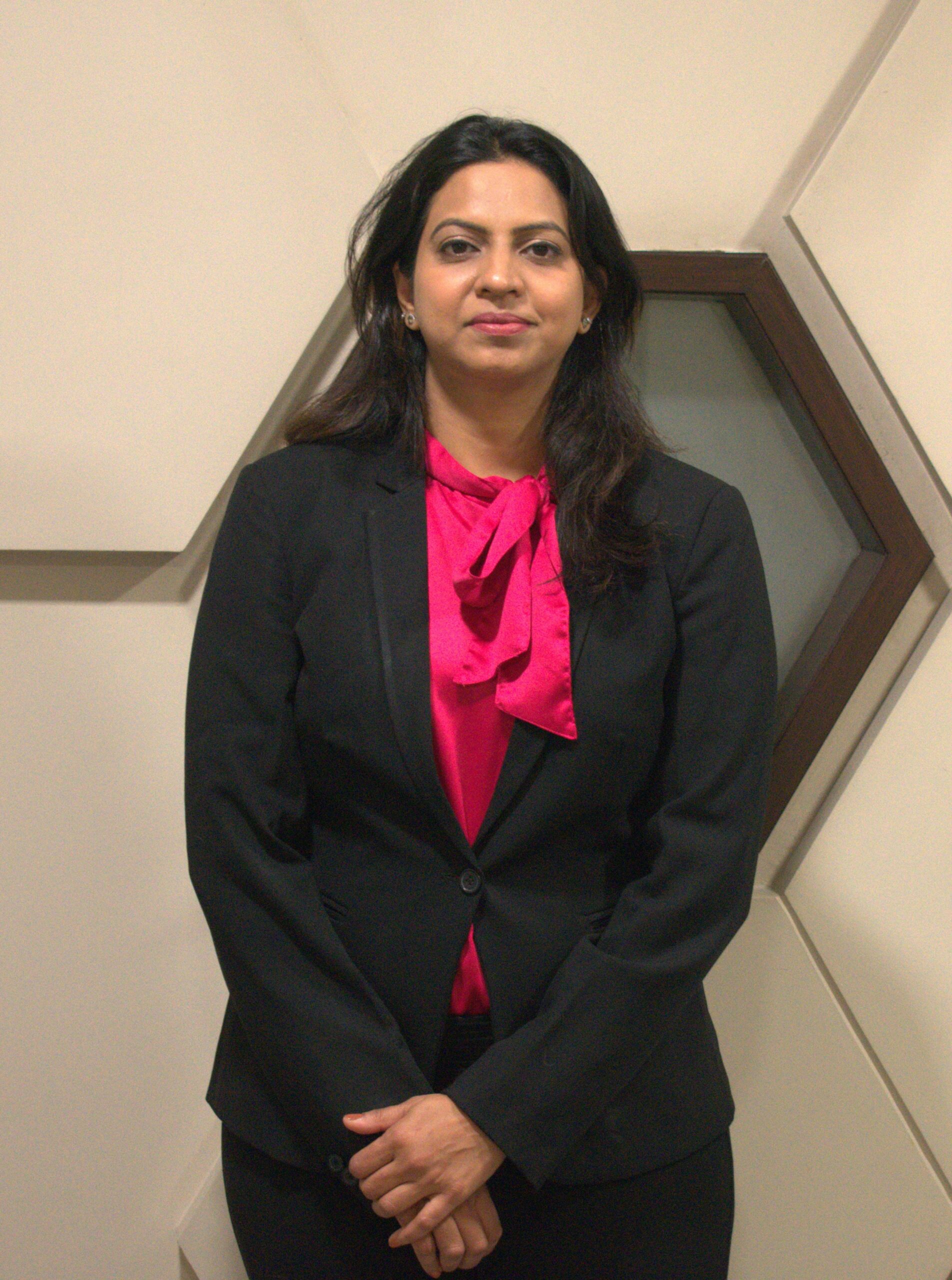
Dr. Varnika JP
M.S,MCH
FAS (Sweden, Belgium)
MCh (Plastic surgery) – Gold medallist
FAS -Akkademikliniken,Stockholm, Sweden
Wellness kliniek, Belgium
Training in Rhinoplasty (Istanbul, Turkey)
Breast surgery (Washington DC, USA)
Dr. Varnika consults, plans, and performs the procedure herself. Body contouring and liposuction are among her core areas of practice. There is no handoff between the consultation and the operating room.
FAQ
As a guide, a tummy tuck in India commonly ranges from about Rs 1.2 lakh to Rs 3.5 lakh and above, depending on whether it is a mini or full procedure, whether liposuction is combined, the anaesthesia and the hospital stay. After your consultation you receive a written, itemised estimate covering surgery, anaesthesia, the surgical suite, garments and follow-ups, so the figure is clear before you decide.
Most patients describe tightness and soreness rather than sharp pain, often comparable to or slightly more than a C-section in the first week. Pain is well controlled with medication and rest, and eases steadily over the first seven to ten days.
Most people walk slightly bent for the first 5 to 10 days while the abdomen is tight, and stand fully upright as swelling settles. Desk work usually resumes in about three to four weeks, and exercise is reintroduced around six to eight weeks on your surgeon’s guidance.
It is a significant operation performed under general anaesthesia, with an overnight stay for observation. With an experienced surgical team and proper aftercare, it is routine and well understood. The recovery, rather than the surgery itself, is the part most patients underestimate, which is why we plan it with you in advance.
Loose skin only below the navel usually suits a mini tummy tuck. Loose skin together with muscle separation that extends above the navel usually needs a full abdominoplasty. Which one fits you is decided after your surgeon examines the abdomen at consultation.
They do different jobs. Liposuction removes fat. A tummy tuck removes loose skin and repairs separated muscle. Many patients need both for a properly flat, smooth contour, which is why the two are often combined in one operation.
Because loose skin and separated muscle do not respond to exercise. Once the skin has stretched past its limit, or the muscles have parted (often after pregnancy), no amount of training will flatten the lower belly. A tummy tuck is what addresses that directly.
Some of them. Stretch marks on the skin that is removed, usually below the navel, go with it. Marks above the navel may remain, though they often sit lower and less visibly afterwards, and can be improved separately with treatments like laser or microneedling.
The main scar runs low across the lower abdomen, placed so underwear, a bikini or a saree can cover it. There is also a small scar around a repositioned navel. Scars fade considerably over time but do not disappear entirely, and a scar-care plan helps them settle.
Results are long lasting when your weight stays stable. The skin and muscle repair are permanent, but significant weight gain or a later pregnancy can stretch the area again. For that reason it is best done once you have finished having children and are at a steady weight.
A later pregnancy can stretch the repaired muscles and skin and partly undo the result. It is not unsafe, but for a lasting outcome the procedure is best timed after you have completed your family.
Yes. Men commonly have abdominoplasty after major weight loss or where ageing and weakened muscle leave a protruding, skin-heavy abdomen. The principles are the same, with the technique adjusted for male anatomy.
Take the next step, privately and at your pace.
Book a consultation to get a personalised plan and an itemised estimate. No pressure, no obligation.

Abdominoplasty
Abdominoplasty or Tummy tuck involves the removal of excessive skin and fat from the abdominal wall by tightening the connective tissue (fascia) with sutures. This will give a toned look. The belly button shape and position will also be adjusted if required to give a youthful appearance.
Who can get it done, and when?
If you have lax abdominal skin and want to boost your body image, consider abdominoplasty.
It is recommended :
- Post pregnancy
- Post significant weight loss
- Aging
- Men or women with Natural body type with obese abdominal wall
- Along with liposuction procedures to get more toned, tight skin.
Who should not consider it??
- Women planning for pregnancy
- Those who are planning to lose weight- tummy tuck is best done after the weight loss process
- BMI > 30
- Other severe comorbidities
Consultation
Our surgeon will take a detailed medical history and evaluate it to determine your treatment options and will discuss the treatment process
- If any tests are required, the doctor will suggest basic blood tests, ECG, and Chest x-ray for surgery under GA(general anaesthesia)
- If any associated hernia or muscle weakness is suspected, an MRI abdomen will be needed for evaluation.
Precautions before the procedure:
- Quit smoking as it affects wound healing.
- Stop alcohol consumption.
- Eat a healthy, well-balanced diet. I.e. In general, to have a tummy tuck procedure done, you should have a stable weight for at least a few months.
- If you’re severely overweight, your doctor will recommend you to lose weight before the procedure. Significant weight loss after the procedure can affect your results
- Keep some loose, comfortable clothing ready to use
To determine you are the right candidate for this procedure, your surgeon will examine your abdomen . The surgeon may take some pictures of your abdomen for the pre post and medical record purpose.
Procedure
- The procedure will be done under general anesthesia. The surgery usually takes 3- 4 hours.
- You will be required to stay overnight at the hospital for observation
- The incision will be on the bikini line extending between hip bones. There will be an incision around the belly button too.
- Sutures will be removed after two weeks.
Post-treatment care
Immediately after the surgery
- You will have pain for around 7 to 10 days post-surgery. Pain is well controlled with analgesics and rest.
- Slight bending forward in an upright position for one week helps to reduce tightness and increases comfort.
- Dressing changes are mandatory once in 3-5 days for two weeks. All sutures are absorbable and need not be removed.
- You may feel soreness, bruising, and swelling in the operated area for 5-6 days.
- You will be advised to have plenty of fluids to improve hydration.
- Move around within your house’s confines to avoid blood clots forming in your legs.
Full recovery timeline
- Once the suture line is dry, you may be advised to start scar improvement treatments through scar reduction creams and moisturizers.
- Avoid exercises like sitting on the floor, climbing stairs, lifting weights, gym, back stretching, sexual activity, or contact sport for 6-8 weeks.
- An abdominal supportive garment must be worn 24/7 for 4-6 weeks.
- You may be advised to follow lymphatic massages to improve the contours and reduce the swelling and pain for 6-8 weeks.
- You may be advised to rest for three weeks and return to work after 3-4 weeks.
Side effects of a tummy tuck:
- Very rare in our experienced hands because of the sound surgical principle of preservation of lymphatic structures.
- They are temporary and improve over 2-3 weeks with massages.
- They may occur in obese patients, smokers, and patients who have restarted activities too early. They are usually managed by regular dressings and rarely require resuturing.
- The scar is hidden in the underwear line; the healing and quality of the scar depend upon the extent of surgery and the patient’s genetics. The scar may be improved by following a strict scar management protocol.
- Fat and pulmonary embolism are rare but significant risks, as in any prolonged surgery.
- Repositioning of abdominal skin can cause changes in the sensation of the abdominal wall, causing numbness or tingling occasionally.
Discuss the expectations of the procedure:
- Discuss your expectations, what you hope to change with this procedure, and the appearance. Understand the risk factors, post-care instructions, and recovery period.
- With excess skin removal, fat, and tightening of the abdominal wall, one can expect a more toned and slimmer appearance with a tummy tuck procedure. Get your desired tummy shape with a tummy tuck procedure with the best and board-certified surgeons at Evoluer Aesthetics and Plastic surgery with utmost care and experience.
FAQ
- The cost of a tummy tuck procedure, also known as abdominoplasty, in India can vary depending on several factors such as the type of procedure, the surgeon’s experience, the location of the clinic, and the extent of the surgery required.
- In general, the cost of a tummy tuck procedure in India can range from approximately INR 100,000 to INR 300,000 or more, depending on the factors mentioned above. The cost may also include fees for the surgeon, anesthesia, facility fees, and any necessary follow-up care.
- It is important to note that the cost of the procedure can vary widely depending on the individual’s specific needs and the complexity of the procedure required. Additionally, the cost should not be the only factor considered when selecting a surgeon or clinic, as the experience and qualifications of the surgeon are also important factors in achieving a successful outcome.
- It is recommended to consult with several board-certified plastic surgeons in India to compare costs and determine the best course of action for your specific needs and budget. Your surgeon can also provide you with a personalized treatment plan and estimate the cost of the procedure based on your specific needs.
- In India, insurance coverage for a tummy tuck procedure, also known as abdominoplasty, can vary depending on several factors such as the type of insurance plan, the reason for the procedure, and the individual’s medical history.
- In general, tummy tucks are considered cosmetic procedures, which means that they are typically not covered by insurance. However, if the procedure is deemed medically necessary due to a medical condition such as an abdominal hernia, some insurance plans may cover a portion of the cost.
- It is important to check with your insurance provider to determine the specifics of your coverage for a tummy tuck procedure, as each insurance plan has different guidelines and requirements. Your plastic surgeon may also be able to provide you with guidance on insurance coverage for the procedure and can work with you to develop a personalized treatment plan that fits your needs and budget.
- A tummy tuck procedure, also known as abdominoplasty, While a tummy tuck can provide long-lasting results, it is still possible for fat to accumulate in the treated area if proper post-operative care is not followed.
- After a tummy tuck, it is important to maintain a healthy diet and exercise regimen to prevent weight gain, as this can cause new fat cells to accumulate in the abdominal area. In some cases, weight gain can cause the remaining fat cells in the treated area to increase in size, which can lead to a loss of definition and contour in the treated area.
- However, it is important to note that a tummy tuck permanently removes excess skin and fat cells from the abdominal area, so the amount of fat that can accumulate in the treated area after the procedure is generally limited. Additionally, the results of a tummy tuck can be long-lasting if proper post-operative care is followed.
- It is important to discuss the potential for fat to grow back after a tummy tuck with your plastic surgeon during your consultation, as well as any personalized recommendations they may have for maintaining the results of the procedure.
The results of a tummy tuck procedure, also known as abdominoplasty, can be long-lasting if proper post-operative care is followed. However, the exact duration of the results can vary from person to person depending on several factors such as their age, weight, and overall health.
Generally, a tummy tuck can provide long-lasting results, particularly if the individual maintains a healthy diet and exercise regimen after the procedure. However, it is important to note that the results of a tummy tuck are not permanent and can be affected by factors such as weight gain, pregnancy, and the natural aging process.
To maximize the longevity of the results of a tummy tuck, individuals should maintain a stable weight through a healthy lifestyle, including a balanced diet and regular exercise. It is also recommended that women wait until they have completed their childbearing years before undergoing a tummy tuck, as pregnancy can reverse the effects of the procedure.
It is important to discuss the expected duration of the results of a tummy tuck with your plastic surgeon during your consultation, as well as any potential factors that may affect the longevity of the results. Your surgeon can also provide you with personalized recommendations on how to maintain the results of your tummy tuck for as long as possible.
The length of time the procedure takes will depend on the extent of the surgery, such as the amount of skin and fat that needs to be removed and the degree of muscle tightening required. In some cases, liposuction may also be performed during the tummy tuck procedure, which can add to the overall length of the surgery. (2-5 hours )
It is important to note that while the surgery itself may take several hours,the time required for recovery and healing is typically longer. After the procedure, patients will need to rest and avoid strenuous activity for several weeks to allow the incisions to heal and the body to recover fully. Your surgeon will provide you with detailed instructions on how to care for yourself during the recovery period to ensure the best possible outcome from the procedure.
Regenerate response
- Yes, men can certainly get tummy tuck procedures done. Tummy tucks, also known as abdominoplasty, are not gender-specific and can be performed on both men and women who are good candidates for the procedure.
- Men may choose to undergo a tummy tuck for a variety of reasons. For example, some men may have excess abdominal skin and fat due to significant weight loss, while others may have a protruding abdomen due to weakened abdominal muscles caused by aging, genetics, or other factors.
- The procedure for a male tummy tuck is generally similar to that for a female tummy tuck, although the surgical techniques used may vary depending on the individual’s anatomy and goals. During the procedure, the surgeon will remove excess skin and fat from the abdominal area and tighten the abdominal muscles to create a flatter, more toned appearance.
- As with any surgical procedure, it is important for men considering a tummy tuck to undergo a thorough consultation with a qualified plastic surgeon to determine if they are good candidates for the procedure and to discuss the potential risks and benefits.
Tummy tucks are performed under general anaesthetic. This means you will be asleep during the procedure and you will not feel any pain.
As with any surgical procedure, a tummy tuck carries some risks and potential long-term side effects. Some of the possible long-term side effects of a tummy tuck may include:
- Scarring: A tummy tuck involves making incisions on the abdomen, which can result in noticeable scars. While the scars will fade over time, they may never completely disappear.
- Numbness: It is common to experience numbness in the abdominal area following a tummy tuck. In some cases, the numbness may be permanent.
- Change in sensation: Some individuals may experience a change in sensation, such as itching or tingling, in the abdominal area following a tummy tuck.
- Difficulty with movement: Following a tummy tuck, some individuals may experience difficulty with movement or mobility due to the tightening of the abdominal muscles.
- Complications from anesthesia: As with any surgical procedure, there is a risk of complications related to anesthesia, such as an allergic reaction or respiratory issues.
- Seroma: This is a condition where fluid accumulates under the skin in the abdominal area. This can occur after a tummy tuck and may require additional treatment.
It is important to discuss the potential risks and side effects of a tummy tuck with a qualified plastic surgeon prior to the procedure. By following post-operative instructions and maintaining a healthy lifestyle, many individuals can minimize the risk of long-term side effects and enjoy a successful outcome from their tummy tuck.
No, a tummy tuck is not a weight loss procedure.While a tummy tuck can help to improve the appearance of the abdomen, it is not intended as a weight loss procedure. It is important to note that a tummy tuck is not a substitute for a healthy diet and exercise routine, which are the most effective ways to achieve and maintain a healthy weight.
Loose skin and muscle separation don’t respond to exercise. Abdominoplasty removes excess skin and tightens abdominal muscles when fat loss alone fails.
No. Liposuction removes fat. A tummy tuck removes loose skin and repairs muscle separation. Many patients need both for proper contour.
It flattens the abdomen by tightening muscles and removing sagging skin. Skin tightening alone won’t fix a bulging lower belly.
Often due to diastasis recti (muscle separation), especially after pregnancy or weight changes. Abdominoplasty repairs this.
Results last if weight stays stable. Significant weight gain or pregnancy can undo results.
Most patients describe tightness and soreness, not sharp pain. Pain is usually comparable to or slightly more than a C-section in the first week.
Typically 5–10 days. Standing fully upright usually returns as swelling reduces.
Tightness improves gradually over 4–6 weeks as muscles heal and swelling reduces.
Only stretch marks in the removed skin (usually below the navel) are eliminated. Upper stretch marks remain but may shift lower.
Yes. Abdominoplasty is one of the most effective ways to correct a persistent C-section overhang.
Most people can wear loose clothing in 2–3 weeks. Tight garments usually after 6 weeks.
Most patients feel socially comfortable in 2–3 weeks, depending on swelling and clothing.
Yes. The belly button is repositioned. A natural-looking navel depends heavily on surgeon skill.
Yes. Common issues include delayed healing, visible scars, uneven contour, or fluid collection. Surgeon experience matters more than technique.
The scar usually runs hip-to-hip, placed low to be hidden by underwear or clothing. It fades but never disappears completely.
Light walking immediately. Core workouts usually after 6–8 weeks. Heavy lifting later.
Yes. Surgery works best when weight is stable. Tummy tuck is not a weight-loss procedure.
Yes, but risk and recovery increase with previous surgeries. Evaluation is essential.
In India, total cost commonly ranges ₹1.2–3.5 lakhs+, depending on extent, anesthesia, hospital stay, and combination with liposuction.
Almost never. Even functional muscle repair is usually considered cosmetic by insurers.
Men commonly undergo abdominoplasty after weight loss. Technique differs slightly for male anatomy.
Pregnancy stretches repaired muscles and skin, often reversing results. Surgery is best after completing a family.
Loose skin only below the navel → mini.
Loose skin + muscle separation → full abdominoplasty.
Usually due to poor muscle repair, uneven fat removal, or ignoring body proportions.
For significant laxity, yes. Non-surgical tightening cannot remove excess skin or repair muscles.