Six Pack Surgery in Hyderabad
Defined abdominal contours, achieved through precise fat removal along the natural muscle lines diet and exercise cannot reach.

If you already train consistently and still cannot see definition, the reason is often anatomical, not a lack of effort. A layer of fat sitting over otherwise developed abdominal muscle will hide that definition regardless of how lean you get elsewhere. Six pack surgery, also known as abdominal etching, addresses that specific layer. At Évoluer it is planned around your existing muscle tone and body composition by a board-certified surgeon, at our Jubilee Hills surgical unit, with clear pricing and a recovery you understand before you commit.
Six pack surgery, medically known as abdominal etching, is a body contouring procedure that uses targeted liposuction to remove fat along the natural lines of the abdominal muscles. It does not build muscle or remove large amounts of fat. It selectively reveals muscle definition that already exists beneath the skin, in patients with stable weight and reasonable muscle tone.
What is six pack surgery?
Six pack surgery, or abdominal etching, is a precision form of liposuction. Rather than removing fat broadly across the abdomen, it removes fat selectively along the natural grooves between abdominal muscles, the linea alba and the lines separating each muscle segment, so those grooves become visible through the skin. It does not create muscle where none exists, and it is not a general fat-loss or weight-loss procedure. It refines and reveals the muscle structure that is already present, by removing the fat layer sitting over it.
This is the most common confusion patients arrive with, and it is worth stating plainly: if there is little underlying muscle tone to reveal, etching alone will not produce a defined result. That is assessed honestly at consultation, before any plan is made.
Who can get six pack surgery, and when?
Six-pack surgery may suit you:
- If you train regularly and have reasonable underlying muscle tone, but a layer of stubborn fat still hides definition
- If you are at a stable, healthy weight, since etching is a refining procedure, not a weight-loss one
- If you have realistic expectations about what etching can and cannot change
- If you do not smoke, or are willing to stop well in advance, since smoking affects healing
It is usually better to wait, or to consider a different procedure altogether, if you have little existing muscle definition to begin with, carry a significant fat layer across the whole abdomen, or are not yet at a stable weight. In those cases, general liposuction or a combination approach is often the more honest recommendation, and that is exactly the kind of judgment call made at consultation. We would rather tell you this procedure is not the right fit than perform one that will not give you the result you are picturing.
Why training alone does not give you this result
This is the question we hear most often, often phrased as frustration: “I train, I am lean everywhere else, why can I still not see anything?” The honest answer is that visible definition depends on two separate things, the muscle itself and the fat layer sitting over it.
Training builds and strengthens the muscle. It does not, on its own, remove a stubborn fat layer that sits directly over the abdominal wall, an area that is often one of the last places the body releases fat from, regardless of how disciplined the training and diet are elsewhere.
This is also why the procedure is sometimes searched as a shortcut or dismissed as producing a “fake” result. Neither framing is accurate.
Six-pack surgery does not fabricate muscle definition that is not there: it removes the fat obscuring definition that already exists. On a patient with little underlying muscle tone, the procedure will not manufacture a six pack from nothing, and a responsible surgeon will say so plainly before any plan is agreed.
Why training alone does not give you this result
Most people who come in for this procedure are not chasing an unrealistic look. What they describe is more specific: years of consistent training that is not visually reflected, frustration at a stubborn fat layer that has not responded to anything else, and a wish to see the result of effort already put in.
Six pack surgery is not a substitute for fitness, and it is not presented as one. Its purpose is to remove a specific, often genetically stubborn fat layer that training cannot reach on its own, so the muscle definition already built through that training becomes visible. The best results are measured against what is anatomically realistic for each patient, not against a generic aesthetic standard.
What most patients are really hoping to change
Most people who come in for this procedure are not chasing an unrealistic look. What they describe is more specific: years of consistent training that is not visually reflected, frustration at a stubborn fat layer that has not responded to anything else, and a wish to see the result of effort already put in.
Six pack surgery is not a substitute for fitness, and it is not presented as one. Its purpose is to remove a specific, often genetically stubborn fat layer that training cannot reach on its own, so the muscle definition already built through that training becomes visible. The best results are measured against what is anatomically realistic for each patient, not against a generic aesthetic standard.
Combining with other procedures
Six pack surgery is often planned alongside other procedures rather than on its own, particularly when a patient's goals extend beyond the abdominal muscle lines. It is commonly combined with general liposuction, where a broader fat layer across the flanks or lower abdomen needs to be addressed first, before the etching work refines the muscle lines themselves.
Where loose skin is also present, often after significant weight loss or pregnancy, a tummy tuck may be the more appropriate procedure, either instead of etching or staged alongside it.Combining procedures is a decision made carefully at consultation, weighing the additional recovery load and surgical time against the benefit of achieving your full goal in fewer total procedures. This is assessed honestly, not upsold.
Six pack surgery cost in Hyderabad
Six pack surgery cost in India commonly ranges from about Rs 1.5 lakh to Rs 4 lakh and above, depending on the extent of the area treated, whether it is combined with general liposuction elsewhere, and the anaesthesia used.
What an Évoluer quote includes: surgeon fees, anaesthesia, the surgical suite, your compression garment and your scheduled follow-up visits. You receive a written, itemised estimate after your consultation, so the number you see is the number you plan for. Flexible payment plans are available.
A note on insurance: six pack surgery is a cosmetic procedure and is not covered by insurance. We are straightforward about this at consultation.
Your six pack surgery journey and the protocol behind it
Your procedure follows a clear path: a private consultation and assessment of your existing muscle tone and fat distribution, a customised plan with a written estimate, the procedure itself, then structured follow-up care. Our approach is candidacy-first: we recommend etching only where the underlying muscle definition genuinely supports the result you are picturing, and we say so plainly when a different procedure, or a combination, is the more honest recommendation.
Six pack surgery at Évoluer is led by expert, board-certified surgeons. It is carried out at our Jubilee Hills surgical unit and we follow international safety protocols. Your privacy is protected at every step.
Risks and contraindications
As with any liposuction-based procedure, six pack surgery carries risks that are discussed in full at consultation. These include infection, asymmetry or uneven fat removal, temporary numbness in the treated area, skin irregularities such as lumpiness or dimpling, fluid accumulation, and the possibility that the final result does not meet expectations, which is why expectation-setting happens before the procedure, not after.
Scarring is minimal given the small incision points used, but is not absent: visible scarring, while usually fading significantly, cannot be entirely ruled out. Patients with little existing muscle tone are not good candidates, since the procedure reveals existing definition rather than creating it, and this is assessed honestly at consultation rather than after the fact.
The six pack surgery procedure, step by step
Here is how the day works, so there are no surprises.
Preparation
You complete a fitness and health assessment, including a review of your current muscle tone and fat distribution. Pre-operative tests are arranged as required, and you will be advised to maintain a stable weight and stop smoking well before surgery. On the day, your surgeon marks the precise lines to be sculpted based on your natural muscle anatomy.
Anaesthesia
Depending on the extent of treatment, high-definition liposuction may be performed under local anaesthesia with sedation or under general anaesthesia. Your anaesthesia is administered and monitored throughout by a consultant anaesthetist.
The Surgery
Small incisions, usually only a few millimetres long, are placed at discreet points around the treatment area. Fat is removed precisely along natural muscle lines using fine cannulas, creating definition and contour rather than broad fat removal. Surgery typically takes 1.5 to 3 hours, depending on the extent of treatment.
After Surgery
A compression garment is fitted to support the treated area and help control swelling. Most patients return home the same day with written aftercare instructions and a structured follow-up schedule.
What does six-pack correction recovery look like?
WEEK 1 TO 2
Swelling is most prominent during this period, and muscle definition will not yet be visible. Tightness and soreness are normal, particularly as the treated area lies directly over the underlying muscles. Most patients maintain light daily activity while avoiding the gym entirely.
WEEK 3 TO 4
As swelling continues to reduce, the new shape begins to emerge. Gentle walking is encouraged to support recovery, while core exercises and high-intensity training remain restricted until cleared by your surgeon, typically around four to six weeks.
WEEK 6 TO 8
Muscle definition becomes considerably clearer as healing progresses. Most patients are able to return to full exercise, including abdominal and core training, with their surgeon's approval.
MONTHS 3 TO 6
Residual swelling gradually resolves and the final contour settles into place. This stage provides the most accurate representation of the long-term result and overall definition achieved.
Recovery speed depends on the extent of the area treated and individual healing. Written aftercare, scheduled reviews and a direct line for questions are provided throughout.
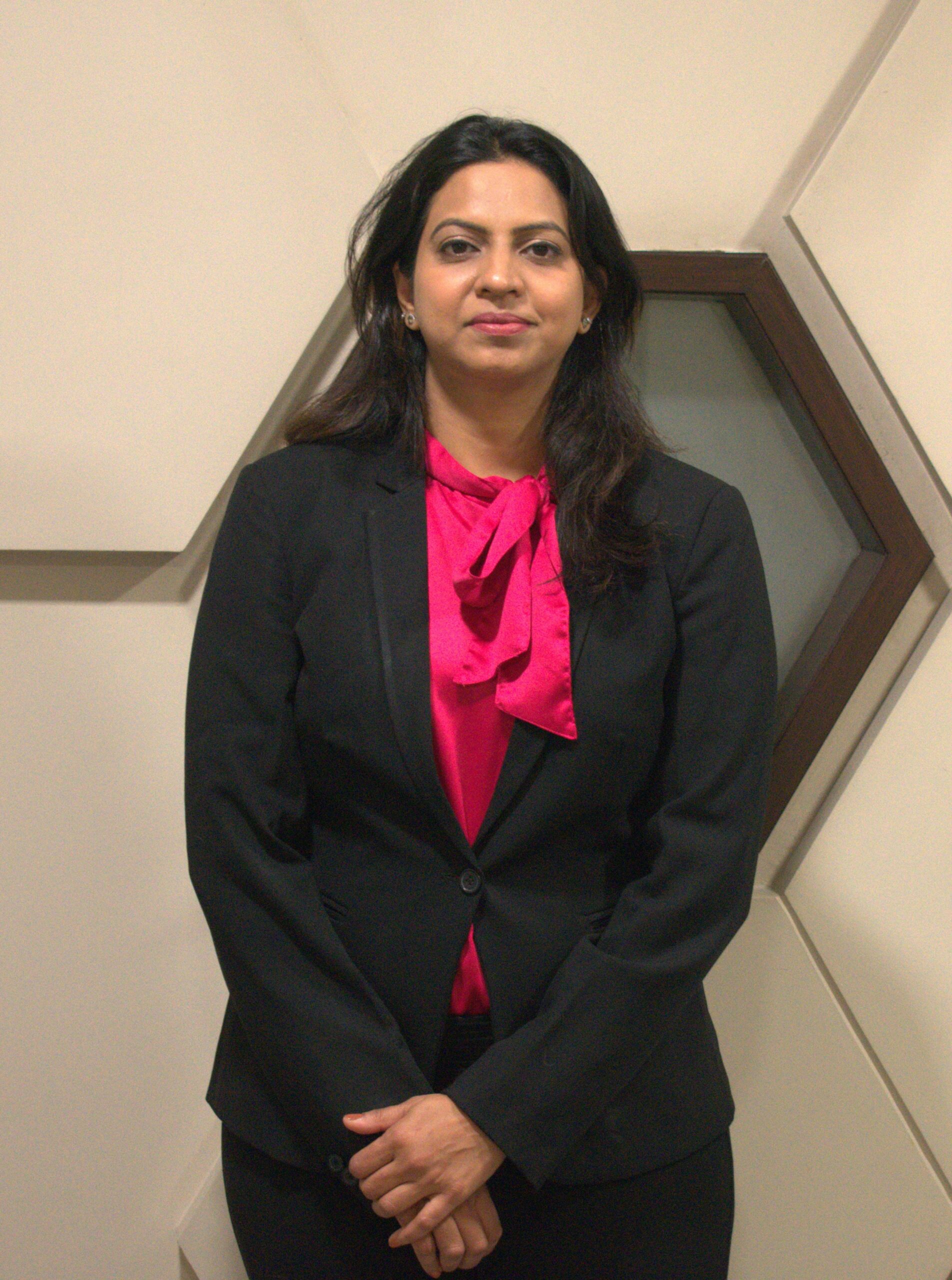
Six-Pack correction at Évoluer is led by Dr. Varnika JP
Évoluer’s surgical care is led by board-certified plastic and aesthetic surgeons. Every six packsurgery is planned and performed to the same protocol and standard.
- Dr. Varnika JP Consultant Plastic & Aesthetic Surgeon
- MBBS · MS, General Surgery
- MCh, Plastic Surgery (Gandhi Medical College, University Gold Medalist)
- Lifetime Member, Indian Association of Aesthetic Plastic Surgeons
Over 10years in surgical practice, with particular focus on body contouring surgery. View full profile
FAQ
Six pack surgery, or abdominal etching, is a targeted form of liposuction. Rather than removing fat broadly, it selectively removes fat along the natural lines between abdominal muscles, so those lines become visible through the skin. Regular liposuction removes fat across a wider area without that specific contouring goal.
The procedure does not fabricate muscle definition. It removes the fat layer sitting over muscle definition that already exists, so the result reflects your own underlying anatomy rather than an artificial shape. On a patient with little existing muscle tone, etching will not produce a convincing result, which is exactly why candidacy is assessed honestly before any plan is made.
No. Six pack surgery does not build or add muscle. It reveals muscle that has already been built through training, by removing the fat that has been covering it. Without existing muscle tone, there is nothing for the procedure to reveal.
Visible muscle definition depends on two things: the muscle itself, and the fat layer over it. Training builds the muscle. It does not reliably remove a stubborn fat layer in the abdominal area, which for many people is one of the last places the body releases fat from, regardless of overall leanness. Six pack surgery addresses that specific fat layer directly.
As a guide, six pack surgery in India commonly ranges from about Rs 1.2 lakh to Rs 3 lakh and above, depending on the extent of the area treated and whether it is combined with liposuction elsewhere. After your consultation you receive a written, itemised estimate, so the figure is clear before you decide.
Swelling is most noticeable in the first one to two weeks, so the result will not be visible immediately. Shape begins to show by weeks three to four, with clearer definition by six to eight weeks. The final contour settles over three to six months as residual swelling fully resolves.
Most patients describe tightness and soreness rather than sharp pain, sometimes more noticeable than typical liposuction since the treated area sits directly over muscle. Discomfort is well managed with medication and a compression garment, and eases significantly within the first week.
The fat cells removed during the procedure do not return. However, weight gain after surgery can cause new fat to accumulate over the treated area, gradually obscuring the definition. Maintaining your training and a stable weight is what keeps the result visible long term.
Yes. It is often combined with general liposuction where a broader fat layer needs addressing first, or planned alongside a tummy tuck where loose skin is also present. Combining procedures is decided carefully at consultation, weighing recovery time against achieving your full goal in fewer procedures.
No. Both men and women with stable weight and reasonable existing muscle tone are candidates. The assessment and technique are the same, tailored to individual anatomy.
Incisions are small, a few millimetres each, placed at discreet points. Visible scarring is minimal and most patients find it fades significantly over time, though it does not disappear entirely.
Take the next step, privately and at your pace.
Book a consultation to get a personalised plan and an itemised estimate. No pressure, no obligation.