Breast Augmentation in Hyderabad
Restore or enhance breast size and shape, with implants or your own fat, planned around your body and your goals.

Whether you want to restore fullness lost after pregnancy or weight change, balance a difference between the two sides, or simply feel more in proportion, breast augmentation is a considered, personal decision. At Evoluer it is never a fixed package. Your surgeon helps you choose the method and size that suit your frame, at our Jubilee Hills surgical unit, with clear pricing and a recovery you understand before you commit.
Breast augmentation is a plastic surgery procedure that increases breast size and improves shape, using either silicone implants or a transfer of the patient’s own fat. Where the breast also sags, it can be combined with a breast lift. The method and size are chosen to suit the individual’s frame and goals.
Breast Augmentation – Three methods
Breast augmentation at Evoluer typically ranges from Rs 1.5 lakh to Rs 3.5 lakh. Because cost depends on the method, here it is by method:
Augmentation with implants
For a clear increase in size and a defined shape Silicone implants are placed behind the breast tissue or under the chest muscle, through a discreet incision. Best suited to those wanting a noticeable, customisable increase in size and fullness.
Fat transfer (lipofilling)
For a natural, modest enhancement using your own fat Fat is gently removed from an area like the abdomen or thighs by liposuction, purified, and injected into the breasts. It gives a natural feel and contours the donor area at the same time, with no implant and minimal scarring. Suited to a modest size increase rather than a large one.
Augmentation with a lift (mastopexy)
When the breast needs raising as well as filling Implants add volume but do not lift. When there is sagging alongside volume loss, augmentation is combined with a lift to raise and reshape the breast while adding fullness. The most involved of the three, with a longer recovery.
Who are good candidate for breast augmentation
Breast augmentation may suit you if you:
- want to restore fullness lost after pregnancy, breastfeeding or weight change
- would like a larger or more balanced breast size and shape
- want to correct a noticeable difference between the two breasts
- are in good general health, at a stable weight, and have realistic expectations
If you are unsure which method fits, or whether you need a lift as well, that is what the consultation is for. We recommend the approach that suits your body and your goals, not the largest one.
What most patients are really hoping for
Most people who come to us are not chasing a particular cup size or someone else’s shape. What they describe is wanting to feel balanced and comfortable: to fill clothes the way they used to, to feel proportionate to their frame, to stop feeling self-conscious about a change pregnancy or weight loss left behind.
A natural, proportionate result is the aim, one that looks like you, not like a procedure. The best outcomes are measured less in numbers and more in how comfortable and confident you feel in your own body.
Breast augmentation cost in Hyderabad
Breast augmentation at Evoluer typically ranges from Rs 1.5 lakh to Rs 3.5 lakh. Because cost depends on the method, here it is by method:
With implants
Rs 1.5 lakh to Rs 2.8 lakh The lower end reflects standard silicone gel implants; the upper end premium cohesive gel (gummy bear) implants.
Fat transfer
Rs 1.8 lakh to Rs 2.5 lakh Includes the liposuction to harvest the fat. The range depends on the donor extent and the volume transferred.
Augmentation with a lift
Rs 2.5 lakh to Rs 3.5 lakh The most involved, with longer surgical time and a more detailed recovery.
What an Evoluer quote includes: surgeon fees, anaesthesia, the surgical suite, USFDA-approved implants where applicable, pre-operative investigations, your surgical garment and your follow-up visits. You receive a written, itemised estimate after consultation. Flexible payment plans are available, and cosmetic augmentation is not usually covered by insurance.
Your Breast Augementation surgery and the protocol behind it
Your surgery follows a clear path: a private consultation and assessment, a customised plan with a written estimate, the procedure, then structured follow-up care. Our approach is candidacy-first: we recommend the method and size that match your anatomy and your goals, never the largest one. Honest conversations about implants, recovery and scars, and follow-ups rather than upsells, are what we hold ourselves to.
Every breast augmentation at Evoluer is led by a board-certified plastic surgeon. It is carried out at our Jubilee Hills surgical unit, using USFDA-approved implants and technology and international safety protocols, with monitoring for observation. Your privacy is protected at every step.
The procedure, step by step
Preparation.
You complete a fitness assessment and routine pre-operative tests. You will be asked to stop smoking beforehand, as it affects healing. On the day, your surgeon confirms the plan, the method and the agreed size.
Anaesthesia.
The procedure is performed under general anaesthesia, administered and monitored by a consultant anaesthetist, so you are asleep and comfortable throughout.
The surgery.
For implants, a discreet incision is made (in the breast crease, around the areola, or the armpit) and the implant is placed behind the tissue or under the muscle.
Fat transfer or breast lift.
For fat transfer, fat is harvested by liposuction, purified and injected. A lift, if combined, reshapes and raises the breast. Implant augmentation usually takes 1 to 2 hours; fat transfer or a combined lift takes longer.
After surgery.
You are fitted with a supportive surgical bra and moved to recovery. Many patients go home the same day; some stay one night for observation. You leave with written aftercare and a follow-up schedule.
Recovery, week by week
DAYS 1 TO 5
Swelling and tenderness, with movement kept gentle. Pain is controlled with medication and a supportive bra is worn.
WEEK 2
Most people return to regular tops, desk work and moderate daily activity.
WEEKS 4 TO 6
Gentle exercise resumes on your surgeon's guidance.
WEEKS 8 TO 12 AND BEYOND
Full activity including chest workouts. Swelling continues to settle and the breasts soften into their final shape over up to six months.
How quickly you recover depends on the method and your own healing. We provide written aftercare, scheduled reviews and a direct line for questions.
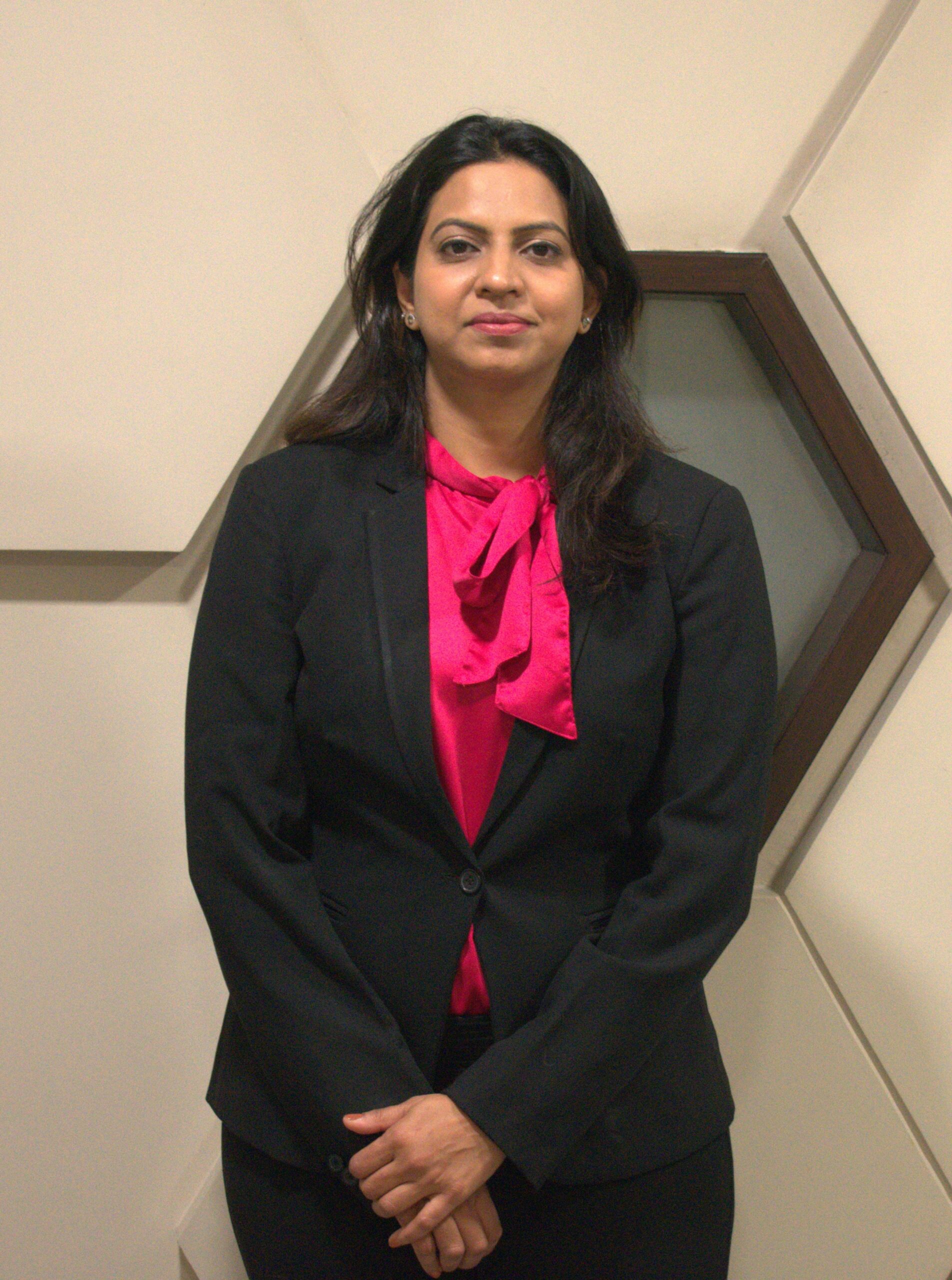
Breast augmentation at Évoluer is led by Dr Varnika JP
Evoluer’s surgical care is delivered by a panel of board-certified plastic and aesthetic surgeons. Every breast augmentation is planned and performed within that team, to the same protocol and standard, whoever you meet in consultation.
Dr. Varnika JP
M.S,MCH
FAS (Sweden, Belgium)
MCh (Plastic surgery) – Gold medallist
FAS -Akkademikliniken,Stockholm, Sweden
Wellness kliniek, Belgium
Training in Rhinoplasty (Istanbul, Turkey)
Breast surgery (Washington DC, USA)
FAQ
Breast augmentation at Evoluer typically ranges from Rs 1.5 lakh to Rs 3.5 lakh. Implant-based augmentation runs about Rs 1.5 to 2.8 lakh, fat transfer about Rs 1.8 to 2.5 lakh, and augmentation combined with a lift about Rs 2.5 to 3.5 lakh. After consultation you receive a written, itemised estimate, so the figure is clear before you decide.
Not when it is planned well. A natural result comes from sizing the implant or fat volume to your chest width, frame and existing breast tissue, rather than to a number. The artificial look usually comes from a size out of proportion to the body, which is exactly what a careful consultation is designed to avoid.
Implants suit a clear, larger increase in size and a more defined shape. Fat transfer suits a modest, natural enhancement using your own fat, with the added benefit of contouring the donor area. Your surgeon helps you choose based on your goals and your anatomy at consultation.
It is a planned operation under general anaesthesia, usually taking around 1 to 2 hours for implants, longer if fat transfer or a lift is combined. Most patients go home the same day or stay one night for observation. With an experienced team it is routine and well understood.
Most patients describe tightness and soreness in the first few days rather than sharp pain, well managed with medication. Discomfort eases over the first week, and a supportive surgical bra is worn to help healing.
Light daily activities return within a few days. Most people are back to desk work and regular tops in about two weeks, gentle exercise around four to six weeks, and full activity including chest workouts around eight to twelve weeks. Swelling settles over several months as the final shape appears.
Implants add volume, they do not lift. If the breast also sags, a lift may be needed alongside augmentation (augmentation mastopexy) for a raised, fuller result. Whether you need one is assessed at consultation.
Many women breastfeed successfully after augmentation, particularly when the implant is placed under the muscle and the incision is positioned to protect the milk ducts and nerves. It is worth raising at consultation so the technique can be planned with this in mind.
Yes. Differently sized or shaped implants, or a combination of augmentation and a lift, can make uneven breasts more balanced. Asymmetry is one of the more common reasons patients seek the procedure.
Modern implants typically last 10 to 15 years or more before replacement is considered, though they have no fixed expiry date. Replacement may be needed earlier if you want a size change or in the uncommon event of a complication.
Modern implants have decades of safety data behind them. As with any surgery there are risks, which your surgeon will discuss honestly. Serious complications are uncommon with an experienced team, proper implant selection and good aftercare.
Cosmetic augmentation is considered elective and is almost never covered. Reconstruction for medical reasons, such as after cancer surgery, may be covered. We will be straightforward about this at consultation.
Take the next step, privately and at your pace.
Book a consultation to talk through the methods, see what suits you, and get an itemised estimate. No pressure, no obligation.