Ear Correction Surgery (Otoplasty) in Hyderabad
Reshaping or repositioning the ears for protruding, asymmetrical, or uneven ears, planned around your specific anatomy for a result that looks like it was never operated on.

Protruding or uneven ears are something many people, and many parents, notice early and think about for years before ever discussing it with a surgeon. The concern is often more visible in photographs, in certain hairstyles, or in how a child responds to attention at school than in everyday conversation. Otoplasty addresses the underlying cartilage and position of the ear directly, in a single procedure with a permanent, natural-looking result. At Évoluer, every otoplasty is planned around your specific ear anatomy, whether the goal is to reduce prominence, correct asymmetry, or address a congenital ear shape.
Otoplasty, also called ear correction surgery or ear pinning, is a surgical procedure that reshapes or repositions the ear cartilage to correct protruding, asymmetrical, unusually large or small, or congenitally shaped ears. Incisions are placed behind the ear, in the natural fold separating the ear from the head, keeping resulting scars hidden from the front. It is performed under local or general anaesthesia, often as a daycare procedure, and is suitable for both children and adults.
What is otoplasty?
Otoplasty reshapes and repositions the cartilage of the outer ear to correct its size, shape, or angle relative to the head. The surgeon carefully reshapes the cartilage, and where needed, adjusts the ear’s position closer to the head, to create a result that looks balanced and proportionate to the rest of the face, not artificially altered.
It is worth knowing upfront that otoplasty changes only the outer ear. It does not involve the ear canal or inner ear, so it has no effect on hearing.
Cosmetic rhinoplasty
Cosmetic rhinoplasty changes how the nose looks. It can refine a dorsal hump, narrow a wide bridge, refine a bulbous tip, correct asymmetry, or adjust the angle between the nose and lip.
Functional rhinoplasty
Functional rhinoplasty improves how the nose works. It can correct a deviated septum, repair a damaged nasal valve, or address long term breathing difficulty.
In many cases, patients come in wanting both. A nose that looks better and breathes better in a single surgery is one of the most common reasons people choose rhinoplasty over filler based alternatives.
Considering filler based nose reshaping first? Read about non surgical rhinoplasty at Évoluer and the situations where it works, and the ones where it doesn’t.
Are you, or your child, a candidate for otoplasty?
Most people consider otoplasty for one of three reasons, grouped here because each points to a slightly different conversation at consultation.
Prominence and proportion
Ears that protrude noticeably from the head, are unusually large or small relative to the face, or have an elongated earlobe. This is the most common reason both children and adults seek consultation, and is purely about restoring proportion and balance.
Asymmetry and shape
One ear sitting differently from the other, an uneven fold, or a shape that has never matched the rest of the face. Otoplasty can correct height, projection, and shape differences between the two ears in the same procedure.
Congenital ear conditions
Some ear shapes are present from birth, including underdeveloped folds or unusual cartilage formation. These are assessed individually, since the surgical approach can differ from cosmetic reshaping alone.
Across all three, candidacy depends on being in good general health and, for surgical timing in children specifically, on the ear cartilage being sufficiently developed. This is.
The Évoluer otoplasty process
Your procedure follows a clear path: a consultation and medical evaluation, including a physical examination and review of your medical history, candid discussion of your goals and what a realistic, proportionate result looks like for your specific ear anatomy, a customised surgical plan with a written estimate, the procedure itself, then structured follow-up through your full recovery.
Otoplasty at Évoluer is led by expert, board-certified surgeons, carried out at our Jubilee Hills surgical unit, under international safety protocols, with USFDA-approved equipment.
What to expect on the day
Otoplasty can be performed under local anaesthesia with sedation or general anaesthesia, depending on the extent of correction needed, your age, and your comfort. Incisions are placed behind the ear, in the natural fold where the ear meets the head, which keeps any resulting scar hidden from the front. The cartilage is then reshaped, and where needed, repositioned closer to the head. A sterile dressing or protective headband supports the ears as they begin healing, typically worn for the first few days as advised by your surgeon. The procedure is most often performed as a daycare surgery, allowing you to go home the same day.
Otoplasty cost in Hyderabad
Otoplasty in Hyderabad typically ranges from ₹40,000 to ₹1,50,000 and above, depending on the complexity of correction needed, the anaesthesia used, and whether both ears require treatment.
What an Évoluer quote includes: surgeon’s fee, surgical facility, anaesthetic care, all pre-operative assessments, and structured post-operative follow-ups. Flexible payment options are available and discussed at consultation.
A note on insurance: cosmetic otoplasty is typically not covered by insurance. Coverage is rare unless the ear shape causes a documented functional problem.
Risks and contraindications
Otoplasty is considered a safe procedure with a low complication rate when performed by an experienced surgeon, but it carries the risks present in any surgery and is discussed honestly at consultation.
Surgical risks include infection, bleeding, and reaction to anaesthesia. Recovery-related effects include temporary swelling, bruising, and discomfort, generally mild and well managed with prescribed care. Less common but possible outcomes include asymmetry between the two ears, a result that does not fully match expectations, or, rarely, a need for minor revision. Visible scarring is uncommon, since incisions are placed in the natural fold behind the ear, but is not impossible.
Patients with active ear infections, uncontrolled medical conditions, or children whose cartilage is not yet sufficiently developed are not good candidates without further evaluation, which is why this is assessed individually rather than assumed from age or general description alone.
Is otoplasty the right next step?
If protruding, uneven, or unusually shaped ears have been a long-considered concern, for yourself or for your child, a consultation is a reasonable next step regardless of how long it has been thought about. For children specifically, the consultation is also the right place to confirm timing against cartilage development, rather than relying on a general age guideline alone.
This consultation is confidential, unhurried, and does not commit you to anything. Most patients and parents leave with clarity about whether surgery is appropriate now, later, or not necessary at all.
Why patients choose Évoluer for Ear correction in Hyderabad
Surgeon-led practice
Every consultation, treatment plan, and procedure is led personally by your surgeon, from the first conversation through every follow-up appointment.
Dedicated cosmetic surgery practice
Private consultation rooms, a dedicated surgical suite, and recovery spaces designed specifically for cosmetic surgery patients, including young patients and their families.
International surgical protocols
Sterilisation, theatre handling, patient monitoring, and post-operative care follow internationally recognised cosmetic surgery standards.
USFDA-approved equipment
Our clinic uses USFDA-approved surgical equipment and technology, matching the standards used in leading cosmetic clinics internationally.
Transparent pricing
Pricing is shared honestly during consultation, with clear explanations of costs and no hidden line items or unexpected charges.
What does ear correction recovery look like?
FIRST WEEK
Swelling, mild discomfort, and a feeling of tightness are expected during the first week. A protective headband is typically worn continuously to support the ears and protect the new shape while healing begins.
WEEKS TWO TO FOUR
Swelling continues to reduce and the ears begin to settle into their new position. A headband is often worn at night only, following your surgeon's instructions, to protect the ears during sleep.
WEEKS TWO TO THREE
Most patients can comfortably resume wearing glasses once the initial swelling has settled and healing has been assessed by their surgeon.
ONE TO TWO MONTHS
The ears generally appear settled and natural to others, although subtle refinement and softening of the tissues continue over the following weeks as healing completes.
Results are generally permanent, since the cartilage itself is reshaped and secured during surgery rather than temporarily adjusted.
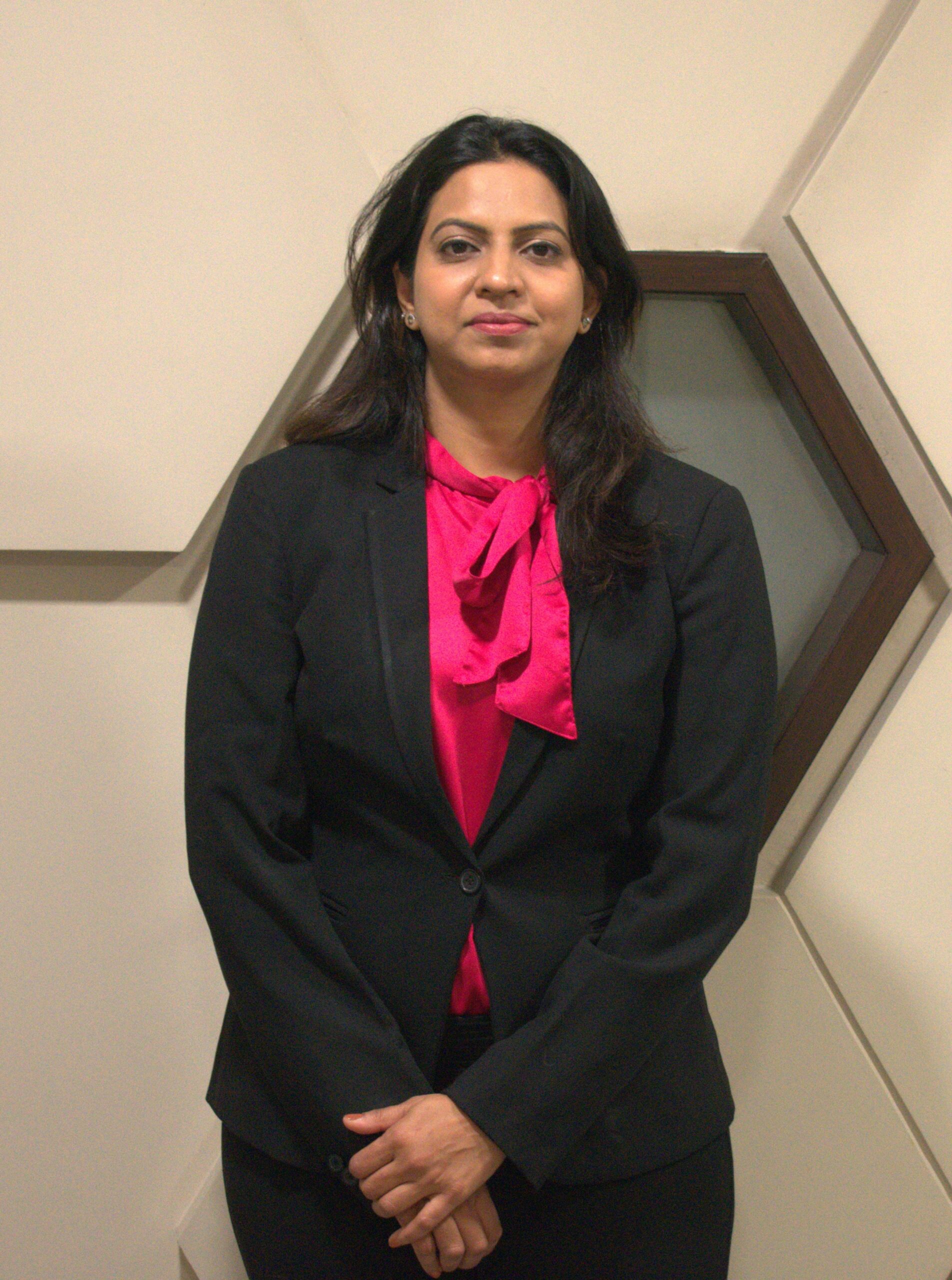
Meet your surgeon at Évoluer
Consultant Plastic & Aesthetic Surgeon
- MBBS
- MS, General Surgery
- MCh, Plastic Surgery (Gandhi Medical College, University Gold Medalist)
- Lifetime Member, Indian Association of Aesthetic Plastic Surgeons
Over 10 years in surgical practice.
FAQ
Yes. Ear correction surgery and otoplasty refer to the same procedure, reshaping the ear cartilage to correct protruding, asymmetrical, or unusually shaped ears for a more balanced appearance.
People typically consider it when their ears protrude noticeably, look uneven, or affect confidence in photographs or social situations. Both children and adults can be candidates.
Surgery is generally considered once the ear cartilage is sufficiently developed. The exact age is confirmed individually at consultation rather than applied as a fixed rule, and adults can undergo the procedure at any age.
Discomfort is usually mild and well-managed with prescribed care. The procedure is considered safe when performed by an experienced plastic surgeon, with risks such as infection or asymmetry being uncommon.
Swelling typically reduces significantly within seven to ten days. A protective headband is commonly worn for the first few weeks, often only at night after the initial period, and ears generally take on a settled appearance within one to two weeks.
Incisions are placed behind the ear, in the natural crease where it meets the head, which keeps resulting scars hidden from the front once healed.
Yes. Otoplasty can correct differences in height, shape, or projection between the two ears to improve overall facial balance.
Most patients can wear glasses comfortably after two to three weeks, once swelling has settled and the surgeon confirms healing is on track.
Otoplasty in Hyderabad typically ranges from ₹40,000 to ₹1,50,000 and above, depending on complexity and whether both ears require treatment. An itemised estimate is shared at consultation.
Coverage is rare and generally limited to cases where the ear shape causes a documented functional problem. Cosmetic ear correction is usually not covered.
Yes. Most otoplasty procedures are performed as daycare surgery, allowing patients to go home the same day.
Yes, where medically appropriate. It is sometimes combined with other facial procedures as part of a broader treatment plan, discussed at consultation.
No. The procedure reshapes the outer ear only and does not involve the ear canal or inner ear, so hearing is unaffected.
Results are generally permanent, since the cartilage is reshaped and secured during the procedure rather than temporarily adjusted.
A consultation with a plastic surgeon is the most reliable way to assess ear projection, symmetry, and proportion relative to the face, and to determine honestly whether surgery would meaningfully help.